


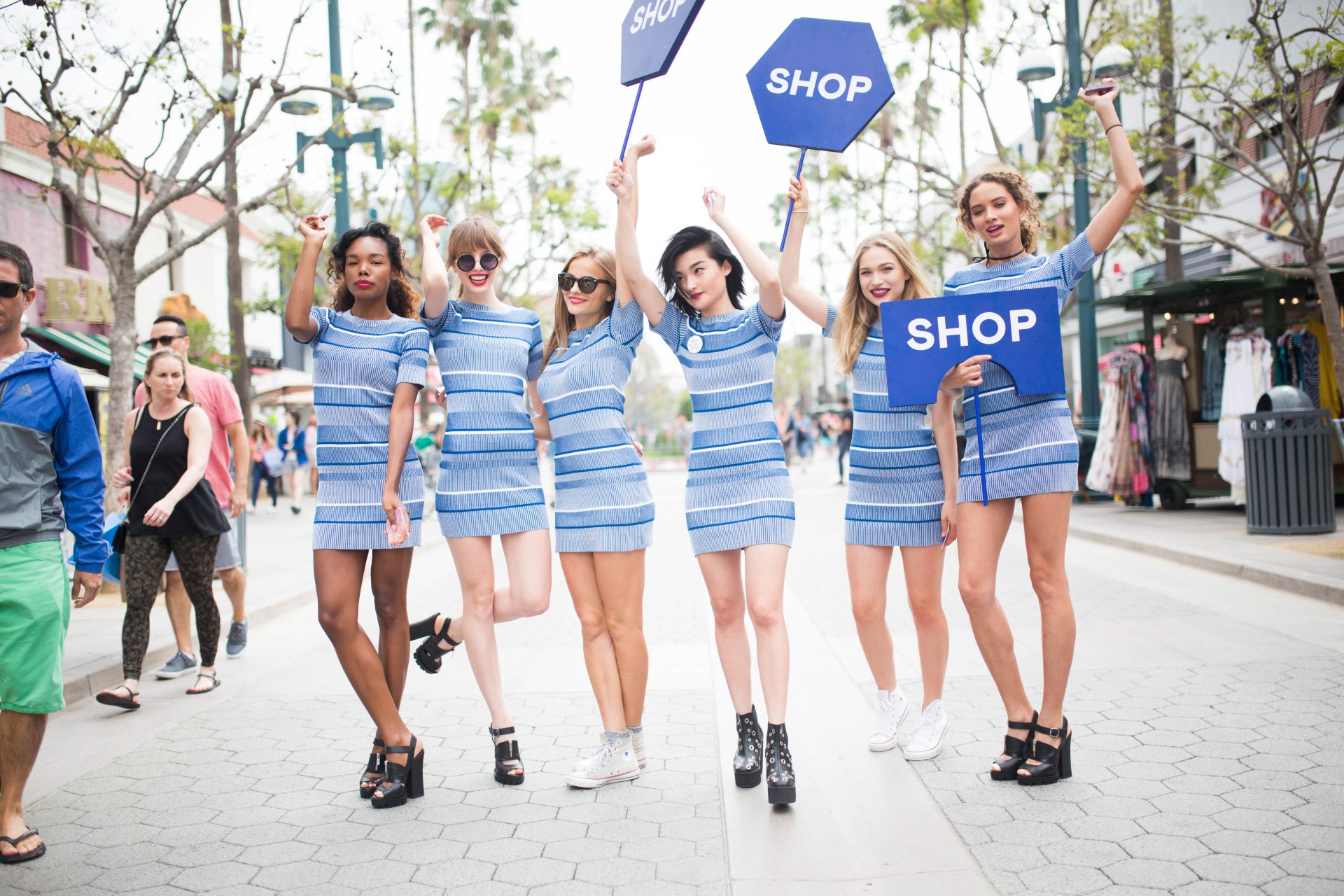
Luxury brand activations succeed when every staffing decision aligns with the brand’s identity, audience expectations, and business objectives.
The right event team influences how guests experience the activation, shapes brand perception, and creates lasting impressions that extend well beyond the event itself. Thoughtful staffing decisions can also contribute to stronger engagement, higher conversion rates, and long-term brand loyalty.
Brand activation staffing should begin with campaign mechanics, not appearance alone. Luxury marketers need people who can manage arrivals, demonstrations, lead capture, hospitality, and schedule changes. Each role should connect to a guest action and result.
Experiential marketing staff need written guidance on claims, escalation procedures, dress code, schedules, social-media rules, and data collection. This playbook covers team design, headcount, preparation, execution, and performance.
1. Define the Activation Objective
Choose one primary objective. Common goals include product education, lead generation, sampling, trial, app downloads, appointment booking, on-site sales, social content, or media attention.
Avoid broad goals such as “create buzz.” State the desired action clearly, such as completing 400 demonstrations, collecting 150 qualified leads, or distributing 1,000 samples.
The objective determines the staffing mix. Sampling campaigns need ambassadors who explain usage and manage inventory. Luxury previews may need hosts, specialists, servers, and VIP support. Technology activations may require trained demonstrators.
2. Map Every Guest Touchpoint
List what happens from arrival through departure:
- Queue and entrance management
- Registration
- Product discovery
- Demonstration stations
- Sampling
- Hospitality
- Lead capture
- Gifting
- Purchase or appointment handoff
- Exit survey
Assign one owner to each point. Do not assume the venue, caterer, or production team will handle a task unless it appears in the written plan.
Multiple entrances, outdoor zones, and VIP rooms may increase staffing needs.
3. Build the Team Around Clear Roles
| Role | Main Duty | Best Use |
|---|---|---|
| Greeter | Welcome and direct guests | Entrances and queues |
| Check-in representative | Verify names and credentials | Invitation-only events |
| Brand ambassador | Explain the activation | Sampling and engagement |
| Product specialist | Handle detailed questions | Technical or premium products |
| Promotional model | Support visual and guest-facing duties | Fashion, beauty, and luxury launches |
| Server | Manage passed service and clearing | Receptions and private previews |
| Bartender | Serve beverages and monitor the bar | Cocktail events |
| Lead-capture representative | Record guest data and consent | Sales-driven campaigns |
| Runner | Replenish products and materials | Multi-zone activations |
| Team captain | Supervise staff and client communication | Larger teams |
These positions require different skills. Do not assign technical demonstrations based only on appearance. Role ability comes first.
4. Estimate Staffing Levels
Use the following ratios as starting points, then adjust for the venue, program, audience, and campaign complexity.
Plan one check-in representative for approximately 75 to 100 expected guests. Add coverage when arrivals are concentrated or several invitation lists are used.
Assign one brand ambassador to each activation station. High-traffic stations may need one presenter and one person managing the line, resetting products, or capturing data.
For passed service, plan one server per approximately 20 to 30 guests. Increase coverage for several rooms, long routes, or continuous clearing.
Plan one bartender per approximately 50 to 75 guests for a simple menu. Custom cocktails, several bars, or a concentrated rush may require more bartenders and barbacks.
Assign one captain for approximately 10 to 15 staff members. Separate floors may need assistant leads.
These ranges should be reviewed against Runway Waiters’ standards before publication or quoting.
5. Select Talent for the Audience
Luxury audiences may expect discretion. Consumer activations often need outgoing staff. Media events require people who understand credentials and escalation.
Selection should consider presentation, personality, communication style, experience, schedule, and physical demands.
Runway Waiters combines model and hospitality talent under one agency. Clients can source promotional models, brand ambassadors, servers, bartenders, hosts, and guest-service staff through one booking relationship.
6. Create a Brand-Specific Brief
Every staff member needs the same approved information:
- Product facts
- Approved talking points
- Prohibited claims
- Target audience
- Campaign objective
- Demonstration steps
- Lead-capture process
- Guest escalation protocol
- VIP and media procedures
- Dress code
- Schedule
- Social-media rules
- Photography restrictions
- Inventory procedures
- Emergency contacts
Staff should never guess about pricing, performance, sustainability, health, legal, or comparative claims. The brief must name the person authorized to handle questions outside the approved script.
The team should also know what qualifies as a lead. Fewer complete, consented contacts may be more useful than hundreds of incomplete names.
7. Train and Rehearse the Team
Training should match the assignment. A simple sampling program may need a virtual briefing and on-site review. A detailed demonstration may require product training, role-play, device practice, and a venue rehearsal.
Practice conversations with curious, rushed, skeptical, and camera-focused guests, plus anyone asking an unapproved question.
Call times should cover changing, grooming, setup, testing, and briefing. Many activations need staff 60 to 90 minutes before doors. Complex programs may require longer.
8. Set Uniform and Grooming Standards
Avoid vague instructions such as “luxury black attire.” Specify the garment, fit, footwear, outerwear, accessories, and branded pieces.
Grooming directions should address hair, makeup, facial hair, nails, jewelry, fragrance, visible tattoos, and phone use. Send reference images when appearance is closely tied to the campaign.
Runway Waiters can match talent to custom visual direction, personality, and role while keeping practical ability central.
9. Assign Leadership and Backup Procedures
The captain should confirm attendance, inspect uniforms, run the briefing, assign positions, schedule breaks, relay changes, and report issues.
The client must name one decision-maker. Staff need to know who may approve overtime, admit an unlisted guest, change messaging, move a station, or release team members.
Ask how absences and emergencies are handled. Backup talent, replacement procedures, and after-hours contacts should be discussed before event day.
10. Control Live Execution
Track queues, dwell time, supplies, demonstration volume, data capture, bar traffic, and staff positioning.
Small adjustments prevent larger problems. Move an ambassador, open another check-in point, shorten a demonstration, or assign a runner.
Staff should report patterns, not only emergencies. Repeated questions may signal unclear signage. Slow participation may show that the opening explanation is too long.
11. Use a Simple ROI Framework
Influencer ROI
Track:
- Cost per view
- Cost per engagement
- Earned content value
- Promo-code sales
- Website traffic
- New followers
Choose influencers when content and reach are primary. Their value may continue after the event when posts remain visible or are reused with permission.
Brand Ambassador ROI
Track:
- Cost per qualified conversation
- Cost per lead
- Samples-to-conversion ratio
- Demonstrations completed
- Sign-ups
- On-site sales
Choose ambassadors when education, trial, data capture, or conversion opportunities are primary. Their work can be observed directly at the activation.
Use both when the campaign needs awareness before the event and structured engagement during it. Influencers attract attention. Trained ambassadors guide guests through the product and next step.
12. Complete a Post-Event Review
Review staffing within one or two business days. Compare planned headcount with actual traffic. Record overtime, no-shows, break coverage, supply shortages, lead quality, common questions, and complaints.
Do not claim staffing alone increases loyalty or conversion. Strong staffing can support engagement and sales opportunities, but product quality, pricing, media, creative, distribution, and follow-up also affect results.
End with actions. Adjust the ratio, rewrite the brief, add a runner, simplify data capture, or schedule training earlier.
Pricing and Booking Factors
Pricing depends on city, date, role, shift length, rehearsal, uniform, travel, experience, and booking lead time.
Ask about minimum shifts, overtime, meal breaks, parking, transportation, cancellation terms, replacement procedures, and administrative fees. Bartender bookings may also depend on local service rules, venue policies, caterer requirements, and insurance.
For an accurate quote, send the date, location, hours, guest count, floor plan, roles, uniform, training needs, campaign objective, activation stations, product category, and on-site contact.
Why Runway Waiters Fits Luxury Activations
Runway Waiters operates at the intersection of models, hospitality, and brand representation. Our roster includes promotional models, brand ambassadors, servers, bartenders, hosts, and other guest-facing talent.
We select talent according to assignment, presentation, personality, and communication needs. Clients may also request brand-specific briefings, grooming direction, team captains, and coordinated staffing across New York City, Los Angeles, Miami, and other markets.
Contact Runway Waiters with your goals, venue, schedule, roles, guest count, and training requirements.
FAQs
How Far in Advance Should Staffing Be Booked?
Book early for major dates, specialized talent, custom uniforms, rehearsals, or multi-city programs. Shorter lead times may work for smaller activations, but choices can be limited.
What Information Does the Agency Need?
Share the date, venue, hours, guest count, roles, activation stations, product details, dress code, training plan, lead-capture method, and on-site contact.
Can Ambassadors and Influencers Work Together?
Yes. Influencers can support reach and content, while ambassadors manage live education, demonstrations, data capture, and guest follow-up actions.